How Much Does Car Insurance Go Up After an Accident?
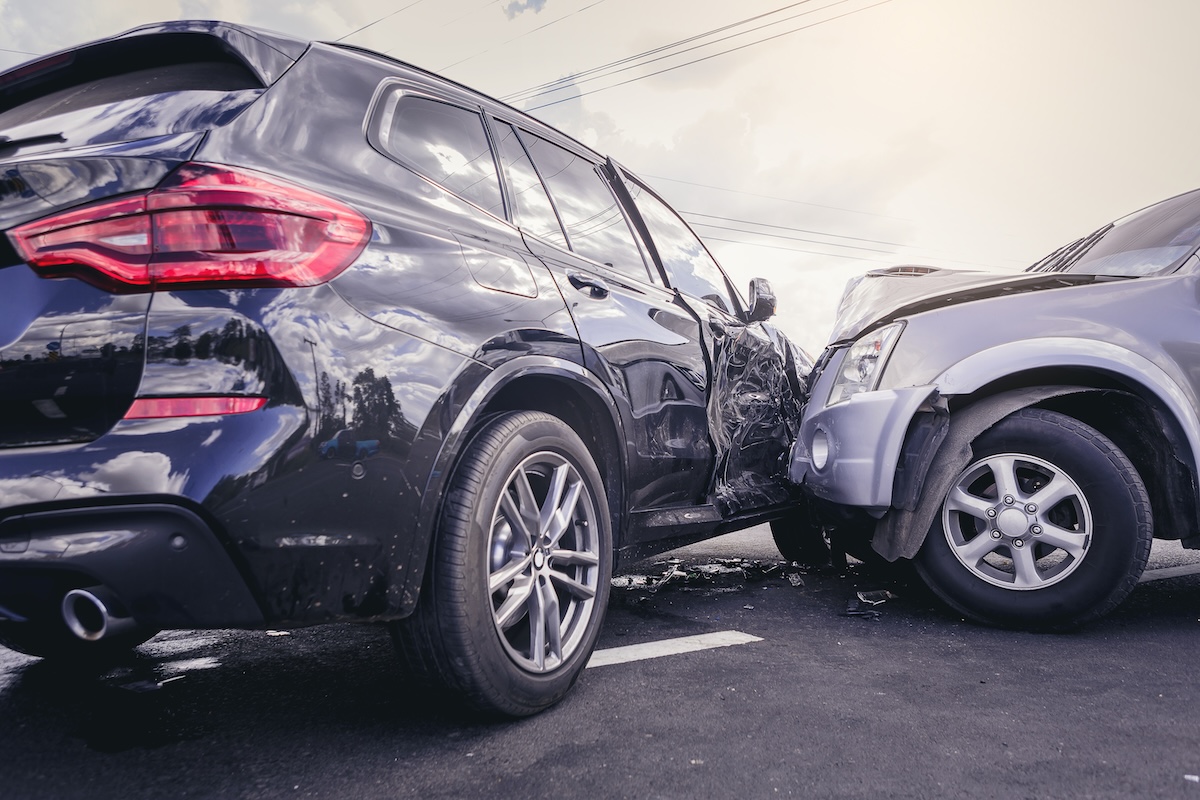
Once the shock of a car accident wears off, most drivers start worrying about the same thing: what is this going to do to my insurance bill? The honest answer is that it depends on who caused the crash, how much damage there was, where you live, and which company insures you. This guide explains how big the typical increase is, how long it lasts, when your rates should not go up at all, and what you can do to limit the damage.
The Short Answer: Expect a 30% to 60% Increase After an At-Fault Accident
Industry studies consistently show that a single at-fault accident raises car insurance premiums substantially. Insurify’s data puts the average increase at about 34%. MoneyGeek’s 2026 analysis found an average jump of roughly 47% to 49%, which works out to about $1,000 or more per year for many drivers. Other analyses have found average increases closer to 58%.
In dollar terms, that means a driver paying $2,200 a year for full coverage could reasonably expect to pay somewhere between $2,900 and $3,500 at renewal after an at-fault claim. Because the surcharge typically lasts three to five years, the total cost of one accident can easily run several thousand dollars beyond the deductible you paid.
What Determines How Much Your Rate Goes Up
No two accidents are rated exactly the same. These are the factors that matter most.
1. Who Was at Fault
Fault is the biggest variable. Insurers surcharge drivers who caused the accident because a past at-fault claim is one of the strongest predictors of future claims. If another driver was clearly responsible and their insurer pays for your damage, your rate usually stays the same or rises only slightly.
2. How Much the Insurer Paid Out
A fender-bender with a $1,200 repair bill is treated very differently from a crash involving injuries, multiple vehicles, or a totaled car. Larger claims, and especially bodily injury claims, generally bring larger surcharges. Many insurers also have a minimum claim amount below which they do not apply a surcharge at all.
3. Your State
State law and local claim costs both affect the size of the increase. Some states, such as California, New Jersey, and North Carolina, tend to see especially steep surcharges after an at-fault accident, partly because of how their rating systems and good-driver discounts work. In California, for example, an at-fault accident can cost you the state’s mandatory Good Driver Discount of at least 20%, on top of any surcharge.
4. Your Insurance Company
Every insurer uses its own surcharge schedule, and the differences are large. In several 2026 analyses, some major carriers raised rates less than 25% after an accident while others raised them more than 60%. This is the main reason shopping around after an accident can pay off.
5. Your Driving History
A first accident on an otherwise clean record is treated far more gently than a second accident, or an accident combined with speeding tickets. Multiple incidents within three to five years can push you into a high-risk tier or lead to a non-renewal.
Will My Insurance Go Up if the Accident Was Not My Fault?
Usually not, or only modestly. Most insurers do not surcharge a driver for an accident they did not cause, and many states limit or prohibit surcharges for not-at-fault accidents. California, for instance, only allows insurers to surcharge drivers who were principally at fault.
That said, a not-at-fault accident can still have indirect effects:
- Lost discounts: Some insurers remove claims-free discounts after any claim, even when you were not responsible.
- Claim frequency: Several claims in a short period, regardless of fault, can lead some insurers to raise rates or decline to renew.
- Your own coverage: If the other driver was uninsured and you claim under your uninsured motorist or collision coverage, how that claim is rated depends on your insurer and state.
What About Comprehensive Claims?
Claims for things outside your control, such as hail, falling trees, theft, vandalism, flooding, or hitting a deer, are filed under comprehensive coverage. These usually have little or no effect on your rate because they say nothing about how you drive. A pattern of frequent comprehensive claims can still be noticed at renewal, but a single one rarely causes a meaningful increase.
How Long Does an Accident Affect Your Insurance?
Most insurers apply an accident surcharge for three to five years, with three years being the most common. The accident may remain visible to insurers for longer, since claims databases such as the CLUE report used across the industry can retain claim records for up to seven years.
One important detail: your rate does not always fall automatically when the accident ages off. Insurers re-rate at renewal, and if your current company has raised its base rates in the meantime, you may not see much relief. When your accident reaches its three- or five-year mark, it is an ideal time to compare quotes.
Does Accident Forgiveness Help?
Accident forgiveness is an optional feature, or sometimes a loyalty reward, that prevents your first at-fault accident from raising your premium with that company. It can be valuable, but keep a few points in mind:
- It usually applies only to your first at-fault accident within a set period.
- Some insurers require you to be accident-free and with them for several years before it kicks in.
- It only protects your rate with your current insurer. If you switch, the new company will still see the accident.
- It is not available in every state.
If you are a careful driver with a long clean record, ask your insurer whether you already qualify or what it costs to add.
Should You Pay for a Small Accident Out of Pocket?
Sometimes it makes sense. If the damage is minor, no one was hurt, and the cost is only a little above your deductible, the long-term surcharge may cost more than the repair. A simple way to decide:
- Get a repair estimate and subtract your deductible to see what the insurer would actually pay.
- Estimate the surcharge by multiplying your current premium by roughly 30% to 50%, then by three years.
- If the multi-year surcharge is larger than the claim payout, paying yourself may be the better deal.
Be careful, though. If another driver or any injury is involved, report the accident to your insurer promptly. Most policies require timely notice, and an injury claim that surfaces weeks later is not something you want to handle on your own.
Five Ways to Keep Your Rate Down After an Accident
- Shop around at renewal. Surcharges vary dramatically between companies. The insurer that was cheapest before your accident may not be cheapest after it.
- Take a defensive driving course. Many insurers, and some states, offer a discount for completing an approved course, which can offset part of the increase.
- Raise your deductible. A higher collision and comprehensive deductible lowers your premium, provided you can afford it if you need to file again.
- Enroll in a telematics program. Usage-based programs let you prove your current driving habits, which can earn back savings even with an accident on your record.
- Dispute fault if you were not responsible. If your insurer marks you at fault and you disagree, ask for the reasoning in writing and provide photos, witness statements, and the police report.
Frequently Asked Questions
How much does insurance go up after one accident?
For an at-fault accident, most studies put the average increase between about 34% and 58%, depending on the insurer, state, and severity of the claim. Not-at-fault accidents usually cause little or no increase.
Do I have to report a minor accident to my insurance company?
Most policies require you to report any accident promptly, even if you do not plan to file a claim. Many states also require a report to police or the DMV when there are injuries or damage above a set amount. Check your policy and your state’s rules.
Will my insurance go up if I hit a parked car?
Usually yes, because hitting a parked car is almost always considered an at-fault accident. The size of the increase will depend on the cost of the claim.
Can my insurance company drop me after an accident?
Insurers generally cannot cancel a policy mid-term for a single accident, but they can decline to renew it. Non-renewal is more likely after multiple accidents, serious injury claims, or an accident combined with violations like a DUI.
Does a police report affect my insurance rate?
A police report helps establish fault, which affects whether you are surcharged. The report itself is not a penalty, but any tickets issued in it can add to your rate increase.
Compare Quotes After an Accident
An accident on your record does not mean you are stuck paying whatever your current insurer charges. Because every company rates accidents differently, comparing quotes is the fastest way to find the carrier that treats your situation most fairly. For a broader look at what drives premiums, see our guide to how much car insurance costs in 2026.
Compare auto insurance quotes now or call a licensed agent at 1-888-253-1823.